
The only thing speedy about National Highways’ “Project Speed” A66 Northern Trans-Pennine scheme is that the goalposts are moving faster than the company can keep up with, with costs skyrocketing and the construction now due to take nine years.
Last month Highways magazine reported that the cost had shot up to a staggering £2,670m (and would run from 2027-2030), as Jo Jarvis, National Highways’ director of indirects and roads procurement, told an industry event.
But the government has now been accused of leaking a major delay to the scheme out “in the small print”.
Indeed, the Treasury boasted in the Budget document that it was
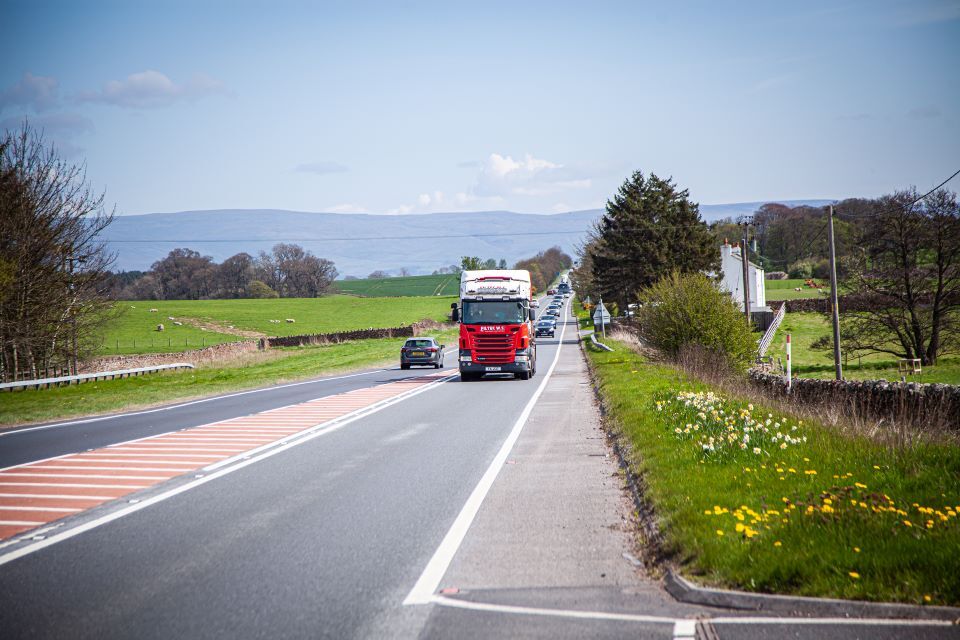
Giving the green light for main construction works to begin on the A66 next month, delivering a continuous 50-mile dual carriageway between the M6 and A1(M), strengthening connectivity between the North-East and Cumbria.
It added:
The project will be delivered through a revised nine-year programme, with phased construction commencing in November 2026.
So that’s a completion date of around 2035 and a build time of nearly two road investment strategies. But why? Well it has become unaffordable in the short term – because the costs have gone up. The BBC reports National Highways saying that
the first section between Penrith and Temple Sowerby was expected to be completed by 2031.
And a spokesperson said:
We’re building in stages, which keeps the project affordable while reducing disruption and minimising environmental impacts.
Basically, they are having to spread the cost over nine years because it is so expensive but, as local MP Tim Farron points out:
Inflation in construction is ahead of regular inflation and so if you have nine years’ worth of materials to purchase… that is certainly going to make it more expensive.
So it’s actually becoming less affordable.
I’ve been writing about this project for years and was the first person to report that the cost had risen to £1.5bn and at that time (2022) there was:
an updated adjusted benefit-cost ratio for the scheme (BCR) of 0.90, meaning that it will cost more to build than the benefits it will provide.
Two years later, planning consent was granted, with a promise of
a further review of its business case.
And of course National Highways was given extra funding to deliver the scheme by 2029 under Boris Johnson’s “Project Speed”. The Accounting Officer Assessment still says:
Delivering the A66 as part of Project Speed provides insight into how government major construction schemes can be delivered faster, realising benefits sooner.
Now even the first part won’t be built by then.


Leave a Reply