
One of the things my research into transport journalism is addressing is the way that mainstream outlets tend to look at transport issues in consumer terms rather than looking at systemic issues and this BBC report, which treats air travellers as victims of climate change rather than contributors to it, is a case in point.
In an “In Depth” piece, Theo Leggett, international business correspondent, warns:
Aviation faces hotter, stormier skies – and passengers might have to accept more disruption
Looking at a particularly stormy day in June, which caused significant disruption to flights, Leggett does at least name the underlying problem:
The timing in this case was clearly unlucky. But there are concerns that such incidents are only going to become more common as the effects of climate change mount up around the world and weather systems are likely to become increasingly unstable, making disruption more likely and adding to costs for airlines, airports and travellers.
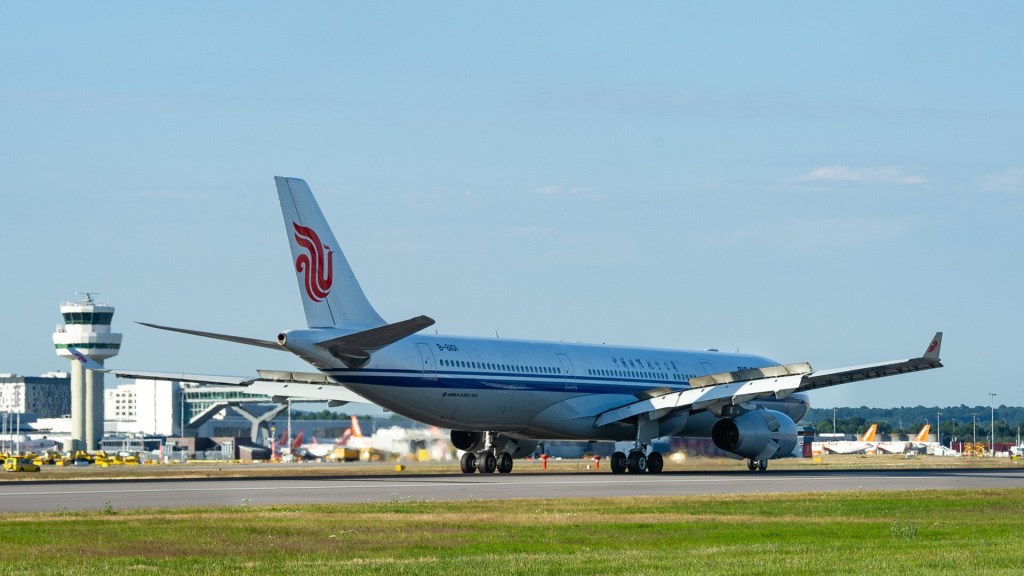
As far as it goes, it’s a good article, which notes that disruption from climate-driven weather patterns extends beyond storms:
Heavier rainfall, for instance, increases the likelihood of flooding. In a worst case, this can paralyse airport operations, as happened in April 2024 when torrential downpours hit Dubai International Airport. It briefly had to close its runways, while disruption lasted for two days. More than 1,200 flights were cancelled, affecting tens of thousands of passengers.
Oh, those poor influencers.
There’s also increased clear air turbulence and flooding – quite a worrying picture.
But we have to wait for the very last paragraph to hear about the aviation industry’s contribution to the underlying problem:
The aviation industry is often criticised for its own contribution to climate change emissions. It faces a forbidding challenge in attempting to meet a target of being carbon neutral by 2050, while also accommodating growth that is expected to see the global aircraft fleet double in size over the next two decades.
This is classic BBC framing – attributing any counterpoints to third parties, who are often labelled “critics” – in an article that is otherwise factual.
But the suggestion that for aviation to do something about its contribution as it inevitably and remorselessly grows is “a forbidding challenge” is bad, even for the BBC.
 Transport Insights
Leave a comment