
TransportXtra has a fascinating story about a Scottish road authority being very untransparent over the installation of what appear to be wholly unnecessary traffic lights on a historic bridge, “including whether the ostensibly operational decision was, in fact, a political one”.
Carlton Reid, an award-winning reporter on transport, particularly the sustainable kind, writes:
Preliminary work has started on the installation of traffic lights beside the scenic Clachan Bridge on Scotland’s Argyll coast. Known since the early 1800s as the “Bridge over the Atlantic”, the 234-year-old crossing to the Isle of Seil attracts visitors eager to boast of their trans-oceanic journey. However, there are fears that motorists given the green light will soon act aggressively towards pedestrians on what is a much-photographed landmark.
The installation of traffic lights at such a sensitive heritage site makes little sense to locals and has been described as a “1980s-style intervention” by an experienced former town planner. This place-making expert adds that the council has also ignored current guidelines on transport hierarchies.
“Somebody in a car or a bus or a lorry, [will think], ‘I’ve now got the green light, there’s nobody stopping me’,” said Grant Baxter of Fife, who has spent 30 years as a chartered planner in Scottish local government.
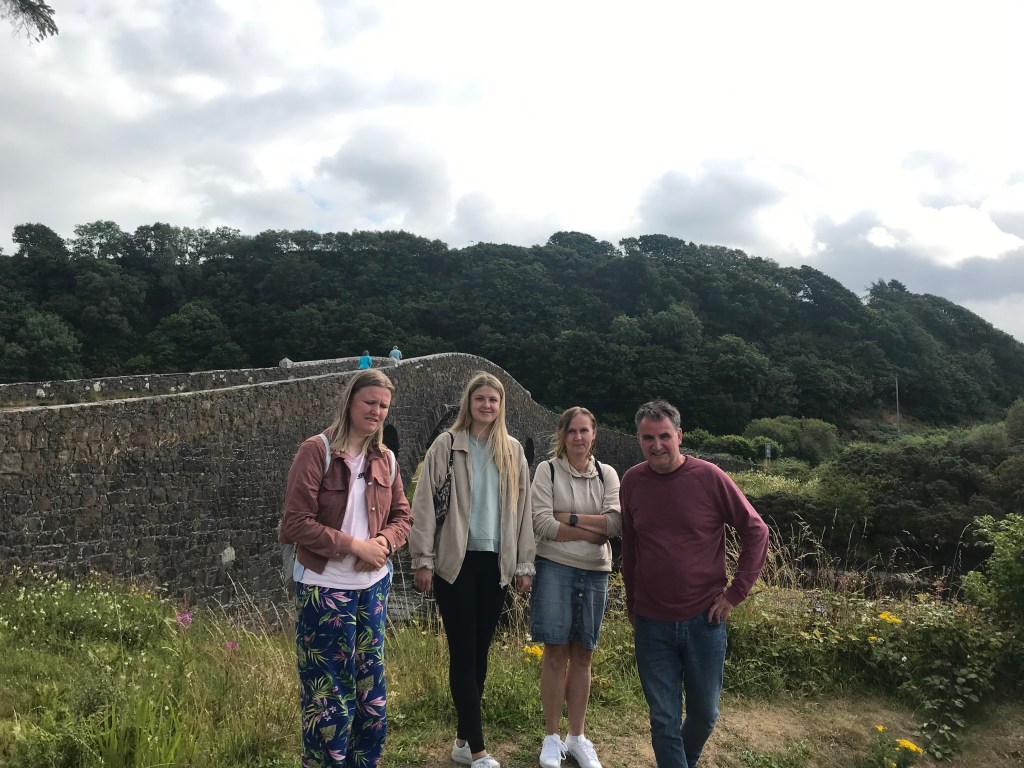
It is indeed a much-photographed landmark and I was there with my family in 2021, while staying in Oban.
Reid adds:
The council says it has to install traffic lights on the bridge for “safety” reasons yet an incident search reveals that there have been just three “slight” collisions at the bridge over the 25-year period from 1999 to 2024.
What may explain, but by no means justify, the costly and perhaps detrimental intervention lies in a bizarre story that Reid says the council has declined to respond to:
Councillors were briefed that Clackmannanshire and Dunblane MSP Keith Brown contacted the CEO of Argyll and Bute council saying a constituent of his witnessed a collision at the bridge and that he therefore suggested traffic lights should be installed at the bridge. Is this correct? If so, why was any weight given to an out-of-area MSP and his constituent? Did the communication from the MSP state the date of collision?
 Transport Insights
Leave a comment