
The Department for Transport (DfT) has – perhaps justifiably – praised councils for doing good things with the bus funding it is giving them, but once again spoiled a good news story with hype.
On the back of announcing just £3m for six mayoral authorities to progress bus franchising, the DfT has proclaimed:
Millions of bus passengers across England are benefitting from cheaper fares, new routes and better services as local authorities are putting government funding to work in their communities.
With the cost-of-living crisis continuing to play a part in people’s everyday lives, local authorities are stepping up to make buses work better for everyone, reducing the burden on households.
That’s very positive, as is:
These schemes are all backed by the government, with more than £3 billion invested through the Local Authority Bus Grant between 2026 and 2029 – money that local leaders can spend on the things passengers actually need.
(Apart from the baffling but seemingly obligatory reference to subsidies being an investment.)
But is the £3bn really “record” funding, as both the DfT and minister Simon Lightwood claim? There is no evidence in the press release to back this up and I have asked the DfT to justify it.
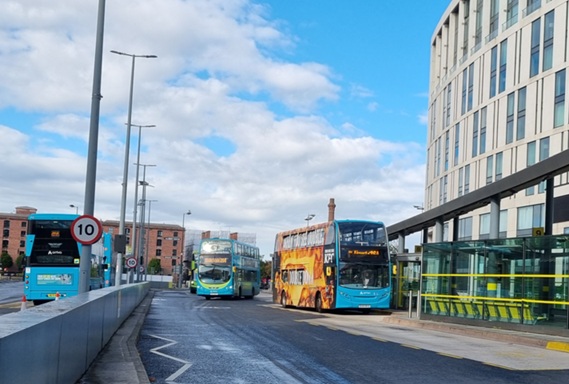
The six authorities that are getting half a million quid each are:
- Liverpool City Region Combined Authority
- North East Combined Authority
- West Yorkshire Combined Authority
- South Yorkshire Mayoral Combined Authority
- West Midlands Combined Authority
- Cambridgeshire and Peterborough Combined Authority
The DfT proclaims the “biggest reform to buses in a generation” and the Bus Services Act is highly positive, not least in allowing local transport authorities to progress franchising without having to get its permission, but all six authorities have progressed franchising under the system introduced by the Tories.
So is the DfT under Labour doing a John Terry, trying to get credit for something it didn’t do?
 Transport Insights
Leave a comment