
National Highways has published a response to the Sunday Times story this week that said the £11bn Lower Thames Crossing (LTC) is “poised to be built with foreign steel”, but I’m not sure whether its a carelessly worded rebuttal or a carefully worded non denial.
The gist of the Sunday Times story is that UK-based steel manufacturers are not able, and will not be able, to produce the “low embodied carbon steel” that the government-owned company has promised to use as part of its greenwashing.
Industry sources say this will exclude domestic manufacturers from the tender and force ministers to approve the provision of steel from abroad that meets the UK’s green targets.
Clearly the alternative to sourcing steel from abroad is to drop the “low embodied carbon steel” pledge.
There is also a question of *when* as the tunnel is nowhere near being built but:
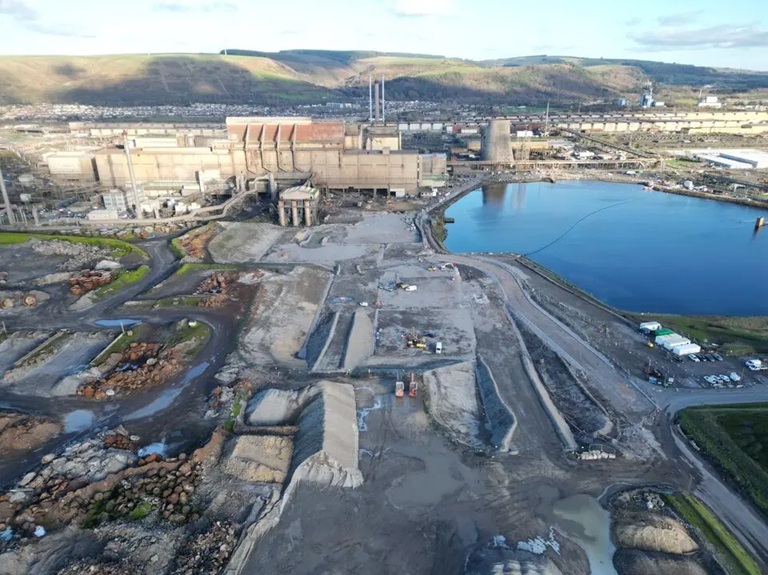
Tata Steel is in the process of building an electric arc furnace on the site of Britain’s biggest blast furnace steelworks in Port Talbot, south Wales. It is understood that the furnace will not be up and running to tender for the multimillion-pound Lower Thames Crossing contract.
The National Highways webpage starts off by saying the Sunday Times claim that the LTC is set to be built with foreign steel “is not the case”, adding:
No procurement process for steel is currently under way.
Our Delivery Partners have carried out early market engagement simply to understand existing capability ahead of launching procurements later this year. This engagement shows that the UK steel sector can meet between 85% and 90% of the project’s requirements, reflecting both the capability and ambition of British manufacturers.
This is where the question of tense comes into play. What does “can” mean? For a procurement launched later this year for steel that will be required even further into the future, surely you would say “will be able to”.
If “can” means, “is currently able to”, it is simply not true, as is recognised by the word “ambition” and, as the Sunday Times reported:
The situation invites parallels with the outrage over an £8 billion green energy project in northeast England that will use thousands of tonnes of Chinese steel after British bids were snubbed — despite the scheme being bankrolled by UK taxpayers.
The project, a joint venture between BP and the Norwegian firm Equinor, agreed in October to import steel from China because it met the government’s environmental targets rather than prioritising domestic production.
Which makes you wonder if “can” is simply a way of saying that it is not yet ruled out.
 Transport Insights
Leave a comment