
Local Transport Today/TransportXtra reports mounting policy and regulatory tensions between the government and Transport for London (TfL) under mayor Sadiq Khan over the commercial rollout of driverless taxis in the capital, currently being trialled.
It says that while the Government is fast-tracking a new permitting scheme to launch services this year, TfL has warned that no current autonomous vehicle meets its strict licensing standards for carrying fare-paying passengers.
It adds:
Ironically the situation could see Khan in direct dispute with his former Deputy Mayor for Transport Heidi Alexander- now Transport Secretary. Alexander held the position from May 2018 to December 2021. In this capacity, she was also Deputy Chair of the TfL board.
The report frames the friction as between TfL describing robotaxis as “unproven” and ministers like Alexander and roads minister Simon Lightwood, who have championed the technology as a way to “lead the world”, create new jobs and enhance transport provision.
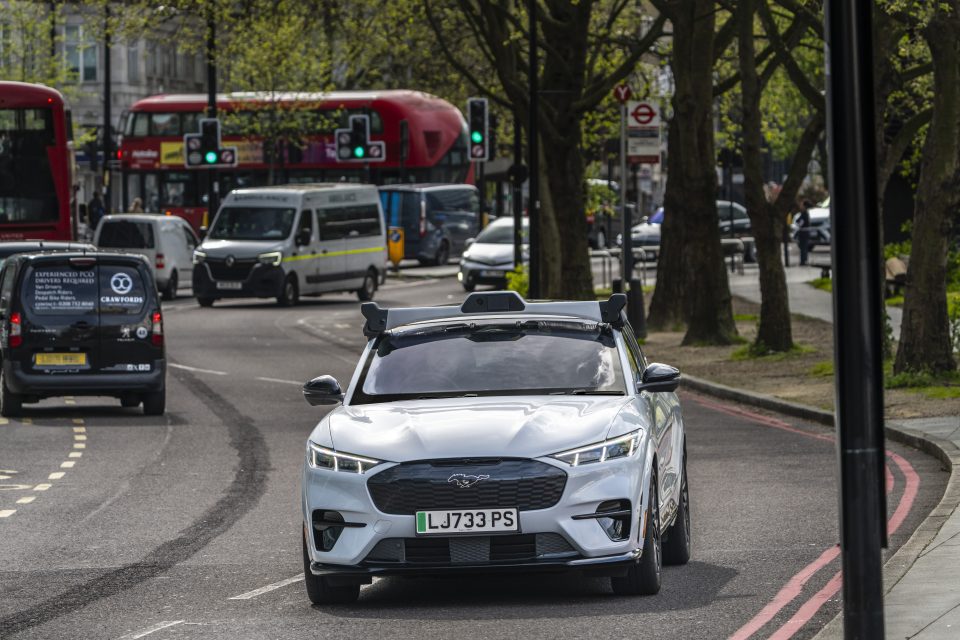
Leading the world by doing something that is already prevalent elsewhere in that world is almost as dodgy a claim as creating new jobs, but how might robotaxis enhance transport provision?
Possibly by reducing the costs through putting people out of work, but the question for both service provision and safety is, are the robotaxis to be additional to or instead of current transport forms?
LTT/TransportXtra notes:
There are also fears that a proliferation of robotaxis could increase congestion and pollution levels, the GLA committee heard. Private hire numbers were already heading towards “unsustainable” levels, [transport commissioner Andy] Lord said, with some 130,000 PHVs registered.
Similarly, it doesn’t really matter if robotaxis are safer than black cab drivers, who are statistically very safe, unless they are replacing them.
Anyway, how is that trial going?
In the meantime a Waymo test vehicle in Harlesden, West London, reportedly drove through a police cordon at a crime scene on April 22nd. Waymo says the vehicle was in manual mode at the time, and the human “validation driver” was subsequently suspended.
You can see the PR people at work here. Of course Waymo is going to blame the human and I understand that s/he would automatically be suspended for failing to intervene if the car was self-driving. The term “validation driver”, rather than safety driver, is clearly intended to shift the narrative away from this possibility.


Leave a comment