
Clearly aware that it does not have a leg to stand on after wrongly asserting that a resident had broken the law by pouring a small amount of coffee down a road gully, Richmond Council has now thrown away all pretence that it abides by the Freedom of Information Act (FOIA).
To recap, the council fined Burcu Yesilyurt for an alleged offence under Section 33 of the Environmental Protection Act 1990 and then rescinded the fine on the grounds that the offence she had committed was “a minor contravention which the recipient agreed not to repeat”.
But, as I and others have pointed out, the offence of disposing of waste in a way likely to pollute land or water would depend on where the gully leads to and – if a sewer that discharges into the environment – the amount of coffee relative to the toxic road runoff that the gully is designed to deal with.
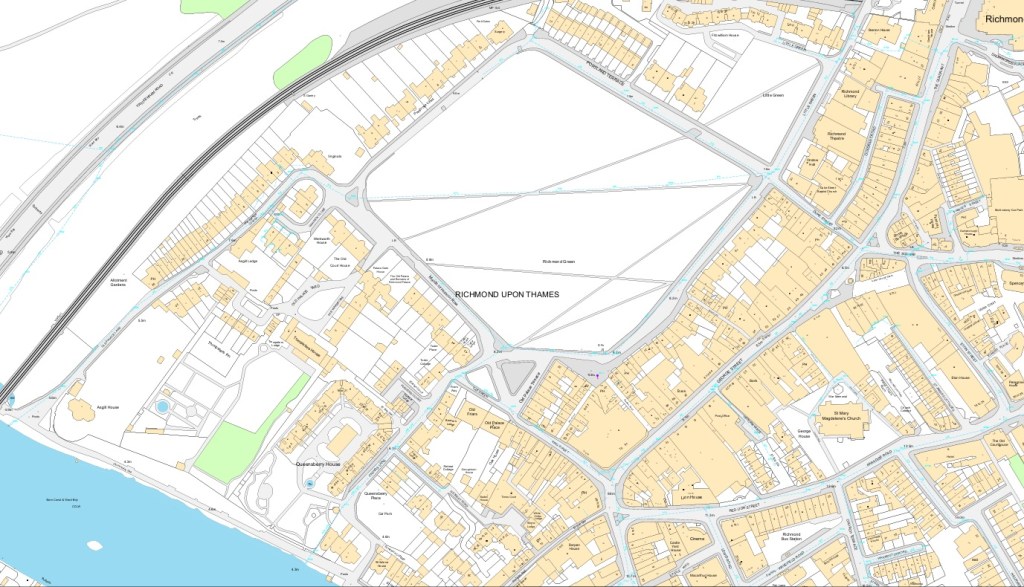
Thames Water told me that the gully does go into a surface water only sewer – rather hand a combined sewer – which means that Richmond Council is itself seriously polluting the waterway (the Thames) that it claims to be protecting.
I asked the council under FOIA:
where does the gully into which the coffee was poured discharge? (i.e. into a combined sewer system or the Thames)
what mitigation is in place to protect Richmond’s waterways from the [toxic] runoff via gullies on the street in question?
what assessment has it made of the relative scale and composition of the coffee tipped into the gully relative to day to day runoff to satisfy itself that such a contravention occurred?
The answers to these questions would show whether the Council was (ever) entitled to allege that Ms Yesilyurt had committed an offence and whether it has been entirely hypocritical because it is itself a major polluter, which we already know.
But the council made no attempt to state whether it had the information requested, let alone provide it; instead it sent me a narrative response that looks very much like a PR statement:
A street drain or gully is specifically designed to be a drainage point that collects surface rainwater. Many lead directly to rivers and streams and even small amounts of liquid from many people can negatively impact on the environment. Household wastewater drainage, including sinks, toilets etc generally connect to larger sewer pipes/drains.
To make matters worse, before making no attempt to provide the information requested, the council had already delayed responding on the grounds that it was trying to source the information internally. It obviously decided that providing the information – or admitting that it did not have it – would be too embarrassing.
The observation that “even small amounts of liquid from many people can negatively impact on the environment” is interesting in that, while it may be true, it does not provide any information requested or mean that pouring a small amount of liquid down a drain is by itself “likely to pollute land or water”.
My final observation is that the fact the Richmond Council believes it can get away with providing a PR statement in response to an FOI request shows how weak information rights have become through a lack of credible enforcement by the Information Commissioner.


Leave a comment