
The Commons Transport Committee has welcomed the news that government funding to local authorities for bus services will take into account how rural an area is for the first time
Although the committee described the news as an “announcement” by the Department for Transport, it was a little bit buried in a larger announcement last week of the consolidation of various existing bus funding streams into capital and revenue Local Authority Bus Grant (LABG) totalling nearly £3bn over four years.
The webpage for LABG revenue allocations: 2026 to 2029 states:
The individual revenue allocations were determined using a revised 2025 to 2026 formula that considered the needs of each local transport authority, taking into account population size, levels of deprivation, bus service provision and rurality.
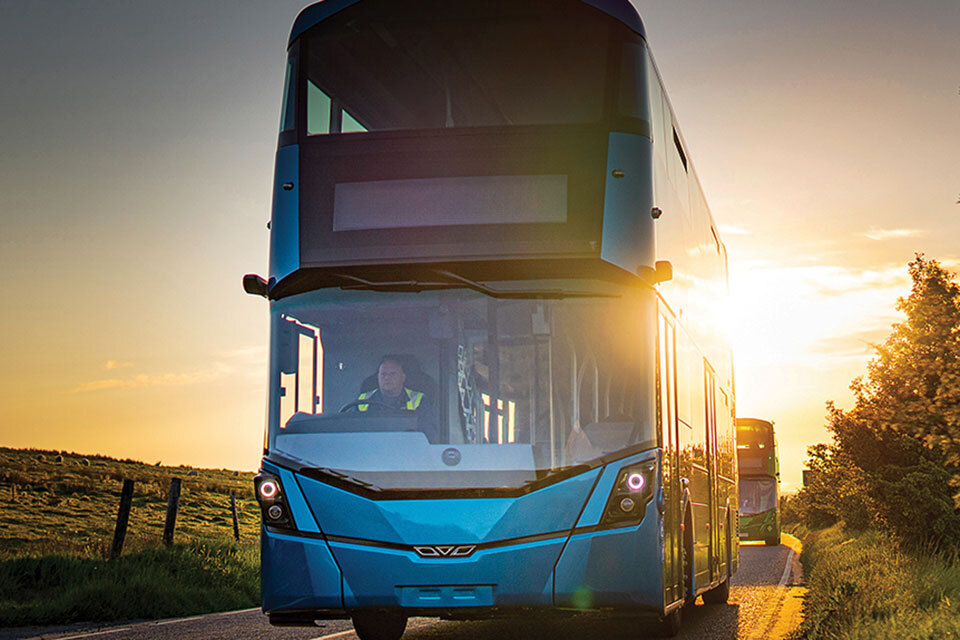
The committee raised the issue of rural buses in its Buses connecting communities report, published in August.
Chair Ruth Cadbury said:
Investigating how to revive bus services in rural areas, which have seen the deepest cuts over the past decade, was a key pillar of our inquiry. We heard of public transport deserts making shops, jobs and amenities all but impossible to access.
We have banged the drum repeatedly for greater support for rural services. So I applaud the Government’s announcement that, just as we recommended, a rural weighting will be included in the formula used to award capital funding to local authorities.
It is essential and just common sense that more money is given to communities that need it most, which sadly hadn’t been the case in previous years. This change also recognises evidence we heard that running bus services is often more expensive per-passenger in rural areas than urban ones.
Among the funding streams now incorporated into LABG are Bus Service Improvement Plan (BSIP) funding and Local Authority Bus Grant
The committee said it is the BSIP element that will take account of “rurality”.
 Transport Insights
Leave a comment