Transport Insights

The transport stories you won't see in the industry-friendly media

Author

Chris Ames

Tag: nationalisation

  • Something old, something new, something uncertain, something untrue

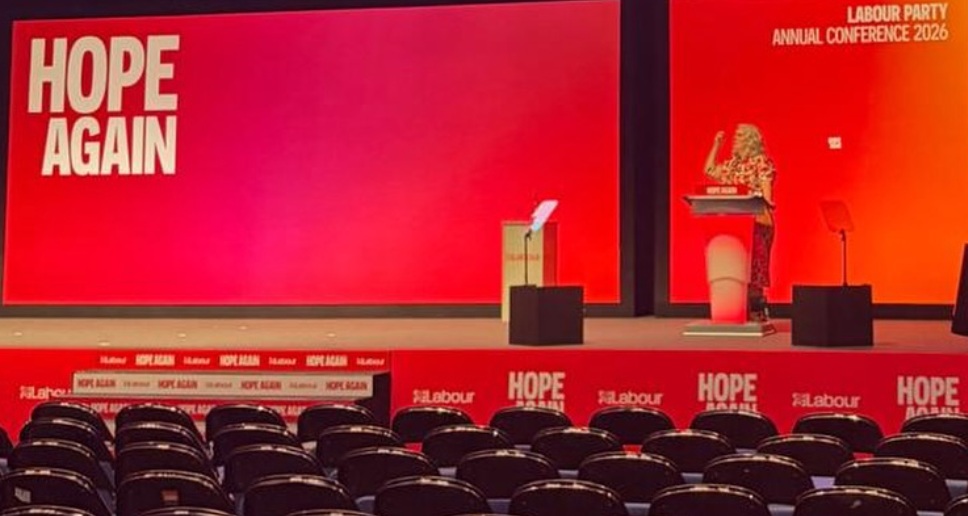
    Heidi Alexander’s speech to the Labour conference yesterday included an interesting new policy on rail, an old policy on rail, and a few opportunities to read between the lines in other areas.

    Of course, her department stepped in with two public announcements to back her up.

    The new and interesting policy is the pledge to explore “buying trains over leasing”, as the Department for Transport (DfT) put it, as it published a Great British Railways’ (GBR) rolling stock and infrastructure strategy.

    As Alexander put it:

    In 2024, franchised train operators spent over £4 billion leasing and maintaining trains they didn’t own. £4 billion. That around a third of the total day-to-day running cost of operating railway services Every ROSCO contract includes financing and transaction costs and investment returns – costs which are ultimately borne by taxpayers and passengers.

    So, as we set up Great British Railways, we will explore whether the state can directly own the new trains we order. Because, I say again, Conference, who should the railways serve? If GBR owning trains would best serve taxpayers and passengers then we should do it.

    Many people would agree with this – and that with ROSCOs owning the trains, what is being delivered so far is not true nationalisation.
    That didn’t stop the DfT saying that the transport secretary will

    nationalise Avanti West Coast services at first opportunity

    which isn’t really news as it is happening at the time that it should happen under Labour’s manifesto.

    On Heathrow expansion, Alexander’s speech was notable for what it didn’t do – give a full-throated commitment:

    (more…)
  • Not us, guv (unless it suits us)

    A parliamentary answer from a transport minister has highlighted the government’s impotence – or reluctance to intervene – over hikes to unregulated rail fares, even by nationalised rail companies.

    LibDem MP Roz Savage asked the transport secretary:

    what assessment her Department has made of the potential impact of increasing Advance rail fares on passengers who commute two or three days per week.

    It’s not clear whether she was asking about actual increases or planned increases, but (very) junior transport minister Keir Mather replied:

    Advance fares are not regulated by the Government and are managed on a commercial basis by train operators. They are priced according to demand for a particular service, and their price and availability can vary depending on the route, date and time of travel, and when the ticket is purchased.

    All of which is true but it studiously avoids answering the question. We might assume that the Department for Transport has not made any assessment of the potential impact of any increases on part-time commuters.

    It is basically saying that unregulated fares are not its problem.

    But hang on a minute. Last year the DfT announced:

    Rail passengers in the North to benefit from simpler fares and cheaper tickets thanks to public ownership

    Passengers in the North of England can benefit from cost and carbon savings through a new customer initiative that expands the availability of advance tickets across government owned train operators.

    Rail minister, Lord Peter Hendy, said: “This is exactly the type of collaborative work public ownership enables, allowing us to put passengers first by making train travel simpler and more affordable.”

    The move is part of a wider effort to make rail travel more attractive, affordable, and sustainable – and shows how public ownership can deliver real benefits for passengers.

    Admittedly, making more advance tickets available (i.e. on journeys with more than one operator) is not the same as controlling their prices, but there is an obvious contradiction in claiming credit for cheaper fares as a benefit of public ownership and saying that higher fares, even from nationalised firms, are not your responsibility.

  • DfT not entirely certain on return of (Great) British Rail (ways)

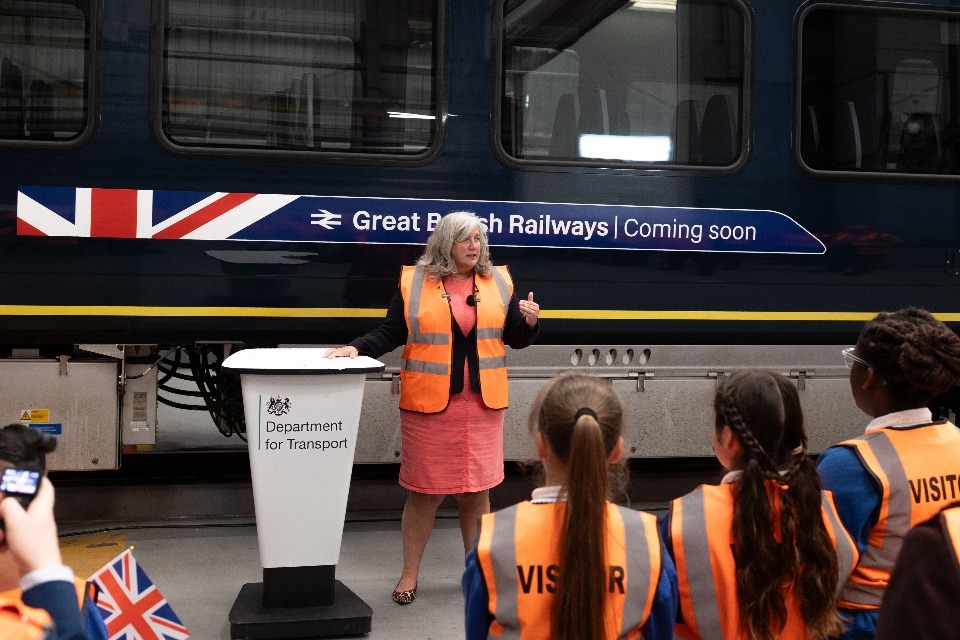
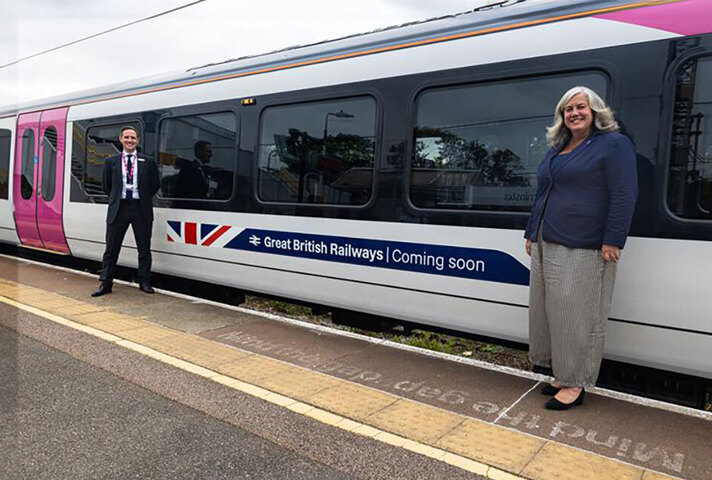
    It’s great to see another rail service (London to Essex c2c services) return to public control, with the Department for Transport (DfT) highlighting – somewhat unconvincingly – the potential savings to the taxpayer.

    In an announcement on Sunday, the DfT described the development, under the Public Ownership Act, as a “step towards Great British Railways” but it’s very much Labour’s version of Great British Railways.

    When I hear the name, I can’t help remembering that it’s Grant Shapps’ bullshit branding – basically British Rail with “Great” at the front and “ways” at the back. What a difference adding two carriages to the set makes.

    The Shapps version was the integration of track and train without nationalising the train operating companies, which leaves the DfT claiming that both public ownership of c2c and the company’s already popular services are “driving growth”.

    (more…)