
In a piece that is mainly about the Mandelson scandal, Tom Clark of Prospect addresses the factionalism at the top of government that led to the resignation of the previous transport secretary, Louise Haigh.
You will remember that No 10 put the knife into Haigh by leaking the news of a trivial conviction relating to a mobile phone to a friendly (Tory) Newspaper.
It was obvious that Haigh was far too radical on transport policy for the right wingers in No 10 under the then chief of staff, Morgan McSweeney, and that her defenestration was intended to allow someone like the more driver-friendly Heidi Alexander to take over.
In a piece titled The Mandelson saga is really about Labour factionalism, Clark argues that Starmer’s appointment of Mandelson “shows how rule-by-clique dominates his party”.
He notes that fired Foreign Office mandarin Olly Robbins revealed that Number 10 had enquired about an ambassadorship for former press chief Matthew Doyle, “another veteran partisan of the right in Labour’s internecine wars”.
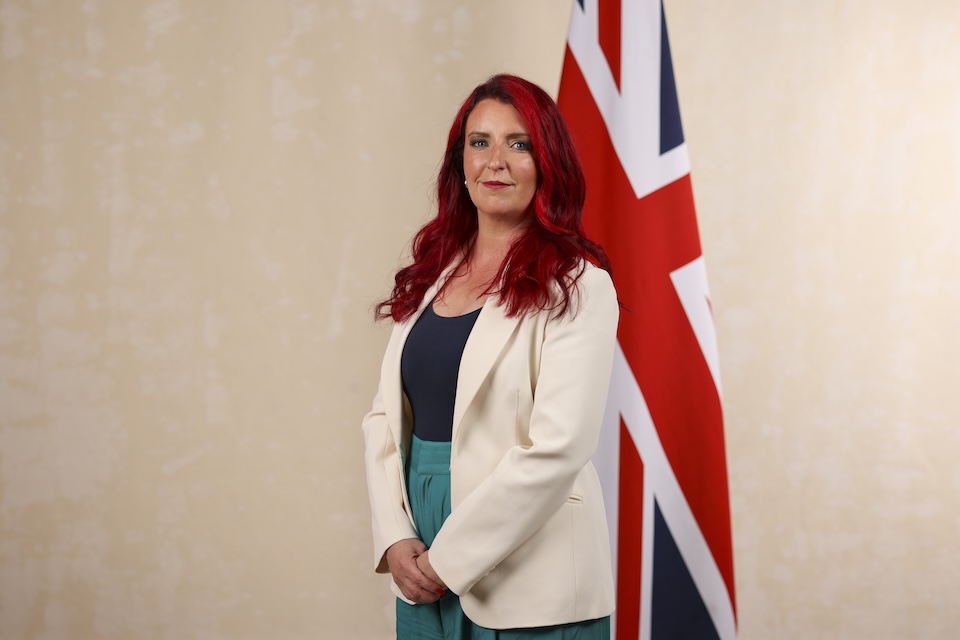
Regarding Haigh in particular, he adds:
To grasp the zealotry of Labour’s ruling clique, compare the cavalier disregard for convention in advancing Mandelson and, potentially, Doyle, with the stance applied to Starmer’s first transport secretary, Louise Haigh. Haigh was widely seen as a success in her job, but never regarded as “one of us”. Before becoming a frontbencher, Haigh had judged she had better fill Starmer in on an embarrassing old conviction – albeit one so minor the court had left her unpunished – regarding a company mobile phone. Someone or other dug this detail out of a desk draw and handed it to the Times, before it was decided the story had become such a distraction that Haigh would have to go.
Haigh was resigned just after launching a call for ideas on an integrated national transport strategy.
She said of the strategy:

 Transport Insights