
There appears to by a straightforward answer to the question “Why has the world’s first hydrogen double-decker fleet failed?” as asked by the BBC.
The corporation reports:
The world’s first hydrogen double-decker bus fleet has reached the end of the road.
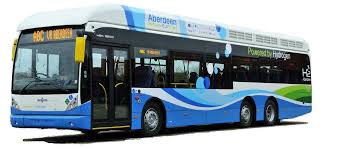
The multi-million pound project in Aberdeen – involving 25 buses – was meant to be the future of clean public transportation, with the city billed as the global hub for hydrogen-powered buses.
But the zero emissions vehicles are now being ditched, along with the ambition that 700 jobs could be created.
The council announced on Thursday evening that it was to drop its hydrogen double-decker bus fleet in favour of electric vehicles following a meeting of its urgent business committee.
It is unfortunate that it hasn’t worked, despite the (too?) high hopes.
But to answer the why? question, Colin Walker, head of transport at the Energy and Climate Intelligence Unit, wrote on LinkedIn:
(more…)A lot of this boils down to money. Much, much more green electricity is required to produce the hydrogen required to move a vehicle a given distance than is required to move a battery electric vehicle the same distance. Obviously, the more electricity you use, the more you have to pay – which means, in a nutshell, hydrogen vehicles cost a lot more to fuel and run than electric vehicles. And ultimately, money talks, which explains why battery electric technology is leaving hydrogen behind as the technology of choice when it comes to decarbonising vehicles likes buses.
 Transport Insights