
Unsurprisingly, Heidi Alexander’s announcement that she has “tasked HS2 Ltd to explore options to remove complexity that could cut billions in costs and reduce delays” has fallen flat with people who know what they are talking about.
HS2 was originally commissioned to run at 360km/h, which would have made them the fastest conventional high-speed trains anywhere in the world. However, no railway in the UK, or globally, is currently engineered for 360km/h.
This means that HS2 would have to wait for HS2 tracks to be built before testing any trains – an approach which could increase costs and delay the completion of the project.
There’s an interesting use of language of possibility here, with “would have” suggesting that trains at this speed are not going to happen and “could” admitting that the increase in costs and delay might come to nothing.
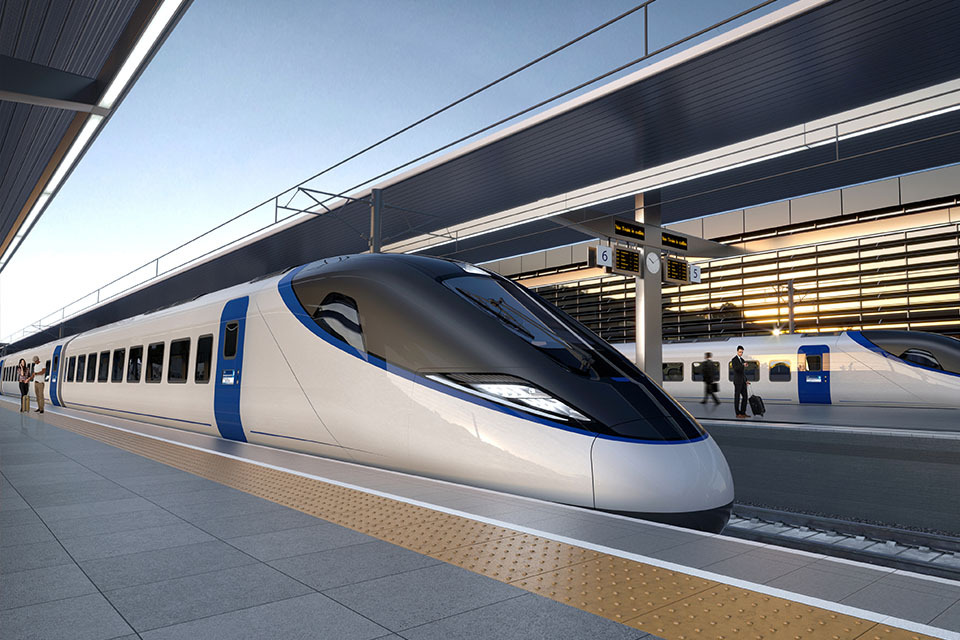
Plans to change the specification of HS2 to reduce the top speed are unlikely to save money, according to engineers.
Railway engineer and writer Gareth Dennis said:
 Transport Insights