
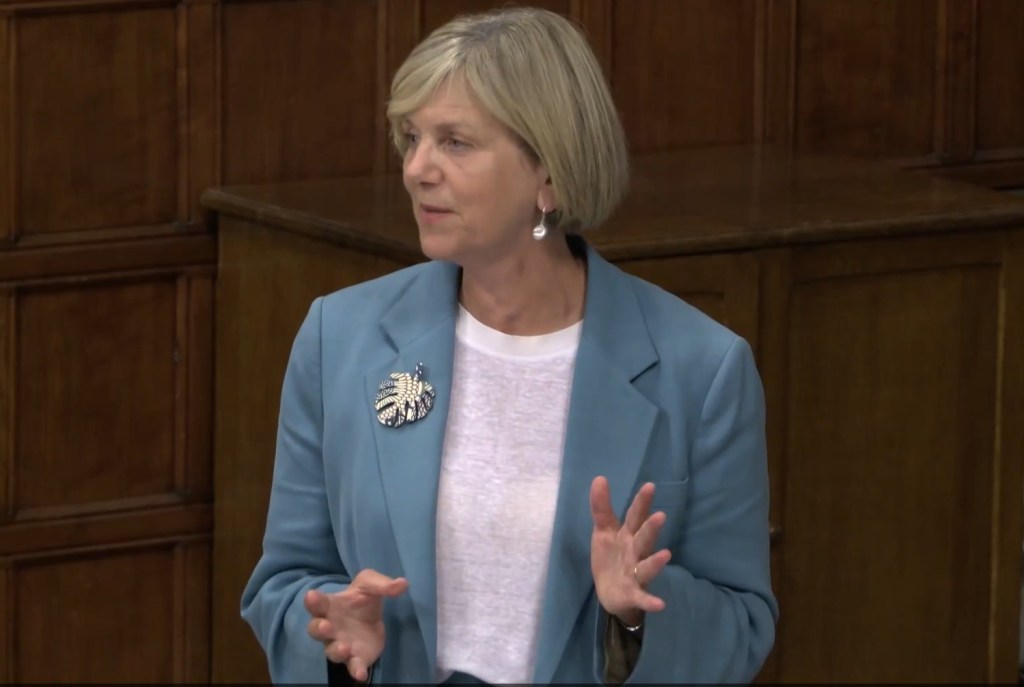
The Department for Transport’s (DfT) longstanding roads delivery director, Kate Cohen, has taken over the role of senior responsible owner of the Lower Thames Crossing (LTC).
The news, reported by Highways magazine, follows a report in the Guardian, since denied by the DfT, that the government-owned company had been stripped of responsibility for the £10bn+ project.
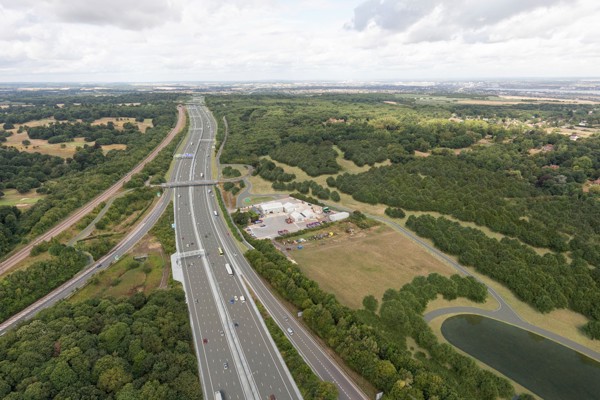
According to the DfT website, Cohen is director of Roads and Projects Infrastructure Delivery, a section that includes responsibility for the LTC.
Speaking to Highways, National Highways chief executive Nick Harris stressed that the company remains responsible for delivering the LTC, but National Highways’ Sean Pidcock had been its senior responsible owner since 2021.
Harris said:
The DfT has recognised the size of the Lower Thames Crossing project means they have to put focus on it and I am really chuffed to see Kate Cohen becoming the SRO. She is going to focus on the LTC and we have worked with Kate on the rest of the portfolio and I think that is a decision that makes a lot of sense.




 Transport Insights
Leave a comment