
Today’s guest blog from Clare Wood from the Stop the A38 Expansion Campaign takes up the theme of transparency over the value for money of major road projects.
National Highways’ publication of a preliminary market engagement notice for the long-delayed A38 Derby Junctions scheme, now estimated at £600 million and set to run for 10 years, should not be mistaken for progress.
Originally budgeted at £200–250m, the scheme has more than doubled in cost. National Highways and ministers now suggest that legal challenges and inflation are to blame.
That narrative is convenient but it is also misleading.
The A38 is not a victim of vexatious legal challenges. It is a project repeatedly exposed for weak appraisal, unlawful approval and economic obsolescence, problems of the Government’s own making both under Conservatives and Labour.
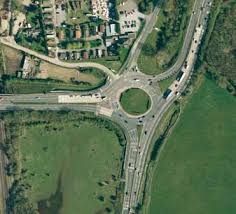
This is an outdated, poorly justified road expansion project propped up by weak governance. The scheme was part of the Labour Government’s infrastructure spending review last year.
The increased scheme costs have been known since July 2025 as the Office for Road and Rail published a report on National Highways’ performance. It’s worth noting legal challenges are not noted as a reason for increased costs and the Lower Thames Crossing has faced the greatest increases in costs but never dealt with a legal challenge.
As the A38 scheme has spiralled in cost, there remains no Full Business Case, no published Accounting Officer Assessment. The Information Commissioner’s Office has ruled that National Highways must disclose the information used by Government to approve the A38 expansion in last year’s Spending Review. National Highways is appealing against the decision and the Department for Transport is delaying a related internal review on the cancellation of Midlands Main Line electrification, raising serious concerns about transparency in how these major funding decisions were made.
National Highways has blamed the legal challenges for rising A38 costs yet conveniently failed to share any details about those legal challenges.
Both legal challenges to the scheme were the result of concerns raised during official examination processes that were ignored.
The first challenge succeeded because the then transport secretary, Grant Shapps, conceded the approval was unlawful — the scheme was permitted to proceed without properly considering its cumulative carbon emissions, despite significant environmental and climate harms documented in National Highways’ own planning documents.
(more…)
 Transport Insights