
Pro-building lobby group Britain Remade is making headlines with its “Give mayors the power to build” campaign, citing Leeds in particular as an example of where a lack of mayoral power is causing British cities to fall behind.
With West Yorkshire’s mass transit plans firmly in the news, Britain Remade is also running a Leeds Needs Trams campaign, but its latest pitch covers other cities, such as Bristol and Birmingham.
New analysis by Britain Remade has exposed the scale of the gap between England’s major cities and their European twins. As a result, the campaign group is calling on the Government to give England’s 14 directly elected mayors the powers they need to change this.
The data, drawn from tram, metro, and light rail systems across Europe, paints a damning picture: English city-regions twinned with well-connected European cities are being systematically left behind. Not because of a lack of ambition from local leaders, but because those leaders are forced to go cap in hand to Westminster for every penny and every planning permission for major infrastructure projects.
The lobby group doesn’t appear to have published the “new analysis”, other that what is in its (two) press releases, but it highlights clear disparities in the scale of mass transit systems in England and France and Germany.
Leeds is the largest city in Western Europe without a mass public transit system. By contrast the tram network in its twin city Lille carries 108 million people a year or 92 tram journeys per person per year; its other twin, Dortmund, operates 47 miles of track serving 122 stations. Leeds carries zero journeys and has zero miles of track.
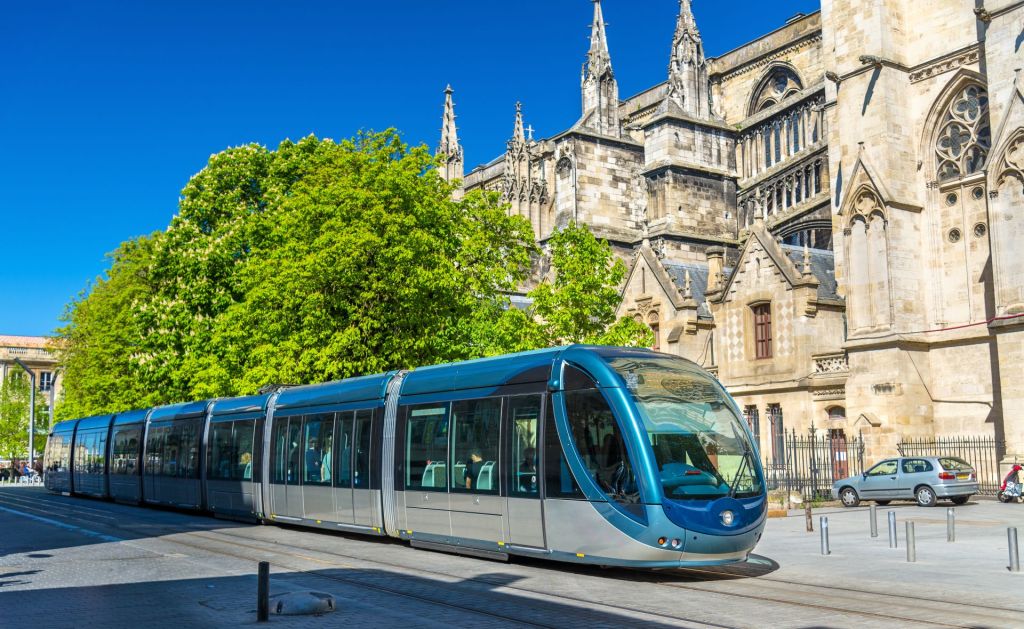
Bristol, and the wider West of England mayoral region, with a population of over one million people, has zero miles of tram track, zero stations and zero tram journeys. Its twin city Bordeaux, with a population of 1.3 million, operates 48 miles of modern tram, serving 130 stations, with 79 journeys per person per year. Plans for a Bristol tram have been discussed for decades, but without the powers to act, the West of England Mayor cannot build it without the green light from Whitehall.
While the West Midlands Metro is made up of 15 miles of track serving 33 stations, Birmingham’s twin Lyon has 66 miles of underground track and 150 stations. This system means Lyon’s metro is able to carry around 260 million passengers each year, equivalent to roughly 111 journeys per person. While its West Midlands counterpart carries just 9 million people, or just under 3 trips per person annually.
Britain Remade argues that the English Devolution and Community Empowerment Bill, currently going through Parliament, should be amended to give all 14 of England’s directly elected mayors the power to approve, fund and deliver transport infrastructure themselves.
Founder Sam Richards argues:
Cities like Lille and Dortmund trust their local leaders to build the transport systems their economies need. But in England, mayors still have to go cap in hand to the Treasury and the Department for Transport before anything major can get built.
That’s one reason cities like Leeds are falling behind comparable places in Europe. Directly elected mayors know what their areas need far better than officials in Whitehall.
The problem is that the now leaked “peer review” of West Yorkshire’s mass transit plans calls out mayor Tracy Brabin for pursuing “unrealistic milestones” with a “lack of unbiased thinking” in pursuit of a “political agenda” and, in doing so, casts a big question mark over whether mayors can be trusted with such huge infrastructure projects.
 Transport Insights
Leave a comment