
The Department for Transport (DfT) has published its Strategy for Integrated Transport, called Better Connected, and to say it is a disappointment would be an understatement.
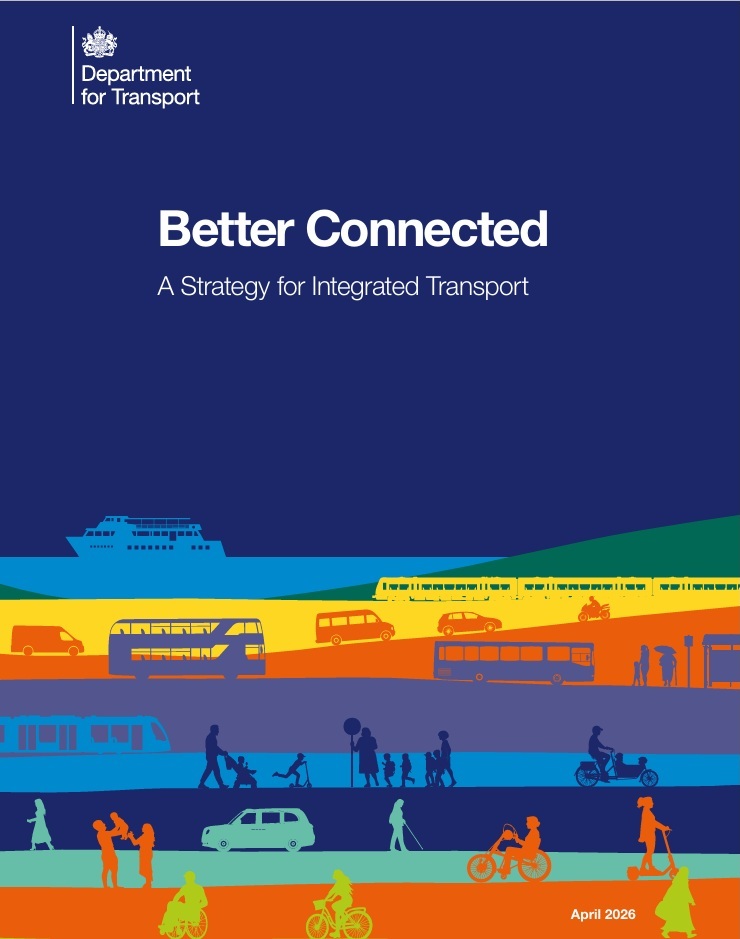
It’s little more than a collection of existing policies, wishful thinking and platitudes, with a few new policies thrown in but no indication of any integration or strategy.
And gimmicks – there are a few gimmicks that attempt to grab headlines, although that doesn’t seem to have happened so far as the gimmicks are nowhere near headline-grabbing enough to achieve that.
It’s hard to believe the DfT spend nearly a year and a half coming up with this tosh:
Better Connected is this government’s vision for domestic transport in England. That vision is simple – for transport to work well for people, for it to be safe, reliable, affordable and accessible so they can get on in life and make the journeys they need to easily.
To call a list of four basic asks a “vision” takes some nerve and really sets the tone for the document.
There are three “guiding principles” and eight “priorities”, any one of which you or I could have written down on the back of an envelope.
And then there’s this tosh masquerading as a strategy:
The transport network will be increasingly accessible and affordable, providing people real choice in how they travel. We will do this by designing accessible travel environments and taking action to reduce the cost of transport, including through the first rail fares freeze in 30 years.
Obviously the first rail fares freeze in 30 years – welcome though it is – has already been announced and while we are told that the £3 cap on bus fares in England has been extended to March 2027, this is just three months further and the lack of a long-term commitment speaks to a lack of long-term strategic planning.
In the current issue of Local Transport Today (for which I have written extensively about the Road Investment Strategy) Peter Stonham notes:
Though described in the promotional material as “a national transport strategy” its focus is very much on the user perspective, and being designed “to make everyday journeys simpler, easier to pay for and more reliable from door to door”.
Most of its content is about existing or already promised policies and initiatives to that end, written in the language of customer experience rather than a framework for planning or longer-term system investment approaches to transport provision that some had hoped would also form part of the document. It also seeks to get recognition for established policies for buses, the railways, and measures to improve the road system by action on potholes.
I couldn’t possibly disagree.
 Transport Insights
Leave a comment