
Highways magazine has raised some concerns from within the local authority sector about the data on which the Department for Transport has based its red, amber, green (RAG) ratings of English local authorities when it comes to filling potholes highway maintenance.
The gist of the story seems to be both that some councils have wrongly been rated red and others undeservedly rated as green.
The twist in the tale, as I mentioned yesterday, is that councils with a red rating, deserved or not, will get extra cash.
As transport secretary Heidi Alexander told MPs yesterday, the ratings are based on three underlying scorecards,
measuring local road condition, the level of capital spend on highways maintenance and the extent to which local authorities have adopted best practice in highways management.
Highways mainly focuses on complications over capital spend, with suggestions that data is not consistent, either because the DfT has not explained the nuances very well, or councils have got the wrong end of the stick, or both:
Respected Industry insider and former CEO of LCRIG, Paula Claytonsmith, told Highways: ‘There looks to be fundamental errors with the source data used in the transparency reports. Much of it around the spending data. I think some councils have misunderstood the question or at least, there seem to be different interpretations on how to answer the question on how much capital spend has been assigned this year.
‘Some councils have put down their entire capital spend, which is something of a red flag because it would almost certainly include planned spending for future years as well. On the other hand, others seem to have only put down what is allocated for this year, so their capital figures look like they are not spending their full amount. Which is not fair. If a council has forward plans – as some do – and they only put this down this year’s spending for this year, they could have been marked down, but the money and full allocation is still being spent.’
It is beyond me to understand what the happy medium is between the two cases but the DfT is also accused of confusing matters over how councils report preventative maintenance.
According to Mike Hansford, chief executive of the Road Surface Treatments Association:
We need to determine some clarity on what is perceived to be ‘preventative maintenance’; with one ‘green’ rated authority’s transparency reported figures, appearing to be contradictory to their statistics on reported ‘road lengths receiving treatments’ in RDC0321. There was an error in the original guidance document for the transparency reporting, which listed ‘resurfacing’ as an example of preventative maintenance. Which in this example may have caused some confusion.
RDC0321 is pre-existing local authority data on “length of road network receiving maintenance treatment by road class and type of treatment” and Hansford previously worked at a local authority so he is very much in a position to know the nuances here.
My understanding of what he has said is that if you include stuff in your preventative maintenance count that isn’t preventative maintenance, it is going to look bigger than is should.
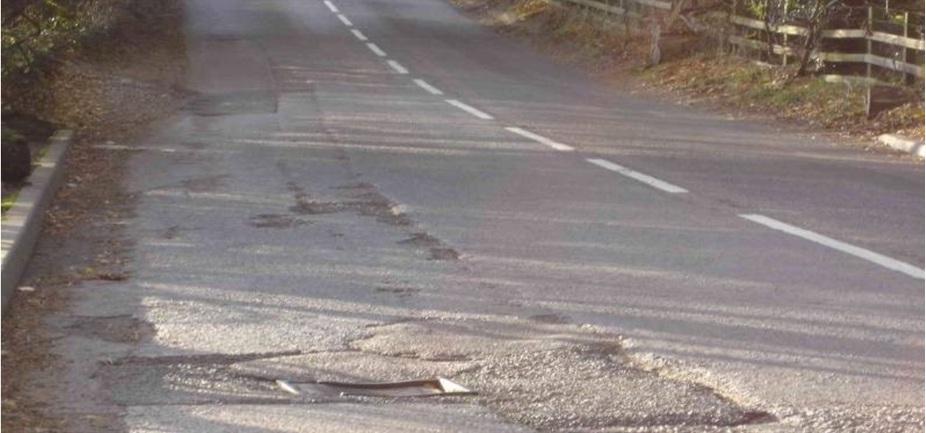
I can’t help feeling that someone should have foreseen these holes appearing in the data and taken steps to stop them appearing.
Anyway, credit where credit is due. Transport Insights
Leave a comment